
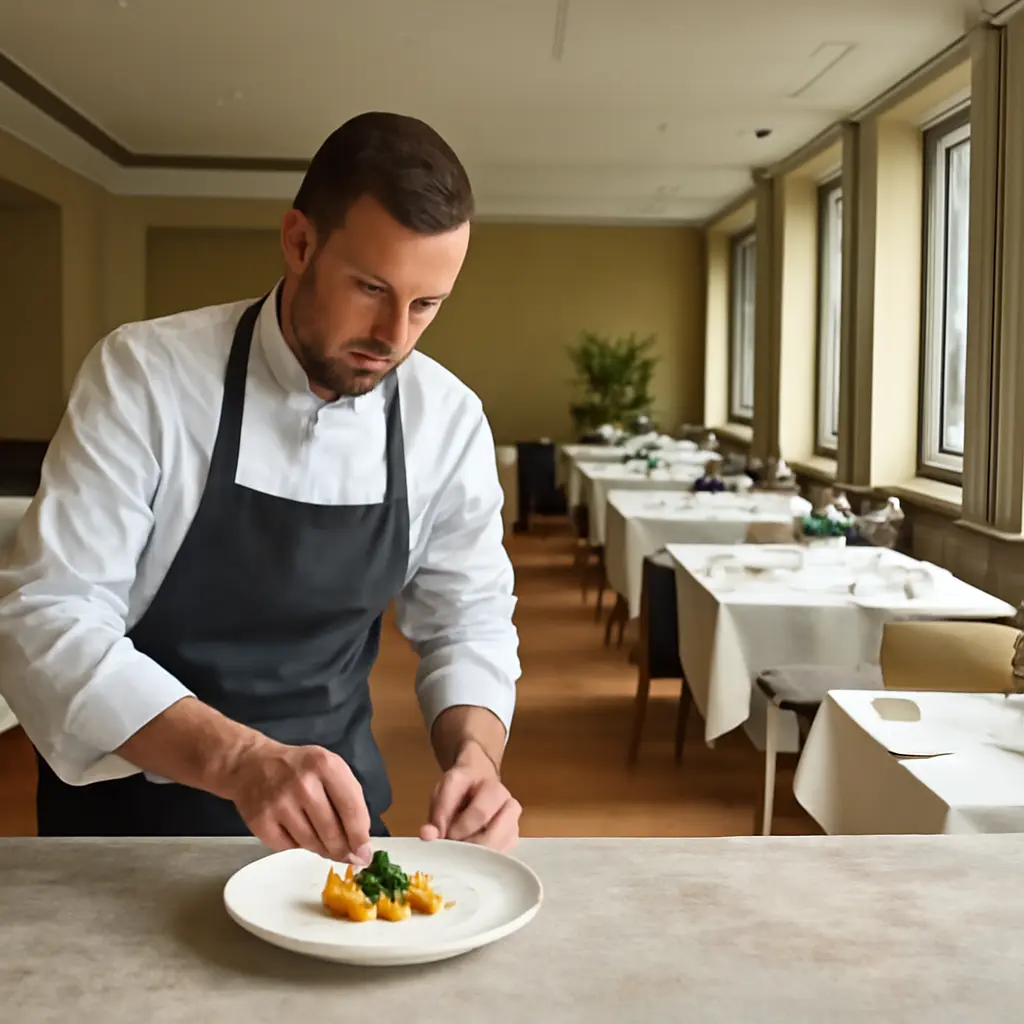
Fine dining is a restaurant experience built around carefully prepared food, attentive service, and an intentional atmosphere. It becomes truly exceptional when those elements work together without making guests feel managed or overwhelmed. The Michelin Guide’s distinctions underscore the importance of consistency and culinary quality, while research on restaurant experiences shows that service, surroundings, and food all shape how diners judge a meal. This article explores the food, hospitality, setting, value, and behind-the-scenes practices that turn a special-occasion dinner into a memorable one.
How Culinary Craft Defines a Fine Dining Experience
Culinary craft is the disciplined use of ingredients, technique, and judgment to create food with distinctive flavor and purpose. The Michelin Guide describes its restaurant ratings through criteria that include ingredient quality, mastery of cooking techniques, harmony of flavors, the chef’s personality expressed through the cuisine, and consistency across visits. These criteria help explain why an exceptional meal is not simply expensive or elaborate: each course should feel considered, well executed, and connected to the restaurant’s point of view.
Ingredient quality and seasonality
Ingredient quality means selecting produce, seafood, meat, and other components for freshness, flavor, and suitability to the dish. Seasonality can make a menu more expressive by matching ingredients to their natural peak and giving the kitchen a reason to change its offerings. The National Restaurant Association’s annual industry forecasts regularly identify interest in local sourcing and sustainability among dining trends, although individual restaurants vary in how they define and document those practices. For diners, meaningful sourcing is more than a menu claim: staff should be able to explain an ingredient’s origin when asked, and the dish should make its quality apparent.
Technique, balance, and a coherent menu
Technique is the controlled application of culinary methods such as roasting, fermentation, curing, or precise temperature cooking. Its purpose is not to impress through complexity alone, but to bring out an ingredient’s character. A coherent menu balances richness, acidity, texture, temperature, and portion size so that courses build rather than compete. In a tasting menu, for example, a bright, lighter course can refresh the palate after a richer preparation. The Michelin Guide’s emphasis on flavor harmony and consistency reinforces the point: a striking individual plate matters, but the whole meal should also make sense.
Creativity and culinary identity
Culinary identity is the recognizable perspective a chef or restaurant brings to its food. It may draw on regional traditions, personal history, or contemporary experimentation. Creativity works best when it has a clear connection to flavor and context; novelty without a satisfying result is not a substitute for craft. Michelin’s criterion concerning the chef’s personality in the cuisine captures this distinction. A memorable dish can surprise a guest while still being understandable, delicious, and faithful to the restaurant’s larger idea.
How Hospitality Makes Fine Dining Feel Personal
Hospitality is the way a restaurant anticipates and responds to guests’ needs through communication, attentiveness, and care. In fine dining, service is most effective when it is precise but not intrusive: diners should feel guided, not hurried or observed. Restaurant research, including studies published in hospitality-management journals, commonly treats food quality, service quality, and the physical environment as connected parts of the dining experience. A weakness in one area can affect how guests perceive the others.
Attentive, well-paced service
Attentive service means noticing what guests need and responding at an appropriate moment. It includes clear explanations, coordinated course timing, discreet table maintenance, and the ability to adjust when a guest wants a slower or faster pace. Excellent service is not measured by the number of interruptions. Rather, staff should make useful information available, check in without breaking conversation, and communicate smoothly with the kitchen and other team members.
Knowledge, communication, and accommodation
Staff knowledge helps guests understand ingredients, preparation, portion sizes, and beverage pairings. Communication also matters when a diner has an allergy, dietary restriction, or accessibility need. The U.S. Food and Drug Administration identifies nine major food allergens, including milk, eggs, fish, crustacean shellfish, tree nuts, peanuts, wheat, soybeans, and sesame. Restaurants must take allergy questions seriously, explain what they can and cannot safely accommodate, and avoid making guarantees they cannot support. Clear, respectful communication turns operational care into guest confidence.
Personalization without pressure
Personalization is adapting the experience to a guest’s occasion, preferences, or needs while preserving their comfort and autonomy. It may mean remembering a requested seating preference, offering a suitable nonalcoholic pairing, or acknowledging a celebration without turning it into a performance. The best approach is responsive rather than presumptive: staff can offer options, then allow guests to decide. That balance makes hospitality feel sincere instead of scripted.
How Atmosphere and Sensory Design Shape the Meal
Atmosphere is the combined effect of a restaurant’s lighting, sound, layout, furnishings, tableware, and visual character. These elements influence comfort and attention, but they should support rather than distract from the food and company. Research on servicescapes—the physical environments in which services are delivered—has examined how ambient conditions and spatial design affect customer responses. In dining rooms, a beautiful interior is not enough if guests cannot hear one another or feel comfortable at the table.
Lighting, acoustics, and comfort
Sensory design is the deliberate arrangement of environmental cues that shape how a space feels. Warm, well-directed lighting can make a room feel inviting while allowing guests to see their food. Acoustics determine whether conversation is easy or tiring; excessive noise can undermine intimacy, even in a visually impressive room. Comfortable seating, appropriate table spacing, and reliable temperature control also matter. These practical details are part of luxury because they protect the guest’s ability to relax and enjoy the meal.
Tableware and presentation
Presentation is the visual arrangement of a dish, including its plating, color, and serving vessel. Thoughtful presentation helps diners anticipate flavor and understand the chef’s intent, while suitable tableware supports temperature, texture, and ease of eating. Visual drama should not make a dish awkward to approach or obscure its ingredients. The strongest presentation is both beautiful and functional: the plate arrives at the right temperature, the portion is accessible, and the food remains the center of attention.
How Value and Consistency Build Trust
Value is the relationship between what a guest receives and what the experience costs, not simply whether the bill is low. Diners may judge value through food quality, service, atmosphere, portioning, transparency, and the sense that the experience justified its price. The U.S. Bureau of Labor Statistics’ Consumer Expenditure Surveys track household spending across categories that include food away from home, illustrating that restaurant dining is part of real household budgeting. Because fine dining can represent a substantial discretionary expense, clarity and consistency are essential to trust.
Transparent pricing and thoughtful options
Transparent pricing means presenting menu prices and significant additional charges in a way guests can understand before committing. Restaurants can support informed choices by explaining tasting-menu structure, beverage-pairing costs, service charges, and optional supplements. Thoughtful alternatives—such as a shorter menu or carefully developed nonalcoholic pairings—can make the experience more accessible without diminishing its quality. A guest should not have to guess what a meal will cost or feel pressured into extras.
Consistency across visits and details
Consistency is the ability to deliver a dependable standard across dishes, service interactions, and visits. It does not require a restaurant to remain unchanged; seasonal menus and evolving ideas can coexist with reliable execution. The Michelin Guide explicitly considers consistency across visits in its rating approach. That standard is meaningful because guests judge a restaurant not only by one excellent course, but by whether the kitchen and service team can sustain quality throughout the experience.
How Operations and Responsibility Support Excellence
Operational excellence is the behind-the-scenes coordination that allows a restaurant to deliver its promise safely and reliably. It includes staff training, kitchen communication, inventory management, food-safety procedures, and thoughtful purchasing. Guests may not see these systems directly, but they experience their results in accurate orders, safe meals, smooth pacing, and fewer avoidable disruptions.
Food safety and dependable execution
Food safety consists of practices that prevent contamination and reduce foodborne illness risk, including correct handling, storage, cooking, and sanitation. The Centers for Disease Control and Prevention estimates that foodborne illnesses affect millions of people in the United States each year, making safe procedures a core element of hospitality rather than an optional technical concern. Fine presentation cannot compensate for unsafe handling. A dependable restaurant treats food safety, allergen communication, and staff training as essential parts of quality.
Sustainability and responsible sourcing
Responsible sourcing considers the environmental and social effects of purchasing food, including seasonality, supply-chain practices, and waste. Restaurants can put this into practice through careful menu planning, stronger inventory controls, use of suitable local or seasonal ingredients, and reduction of avoidable food waste. The U.S. Environmental Protection Agency identifies wasted food as a significant component of municipal solid waste, making prevention relevant to both environmental impact and kitchen efficiency. Sustainability claims are most credible when they are specific, verifiable, and reflected in day-to-day decisions.
Conclusion: The Elements of an Exceptional Fine Dining Experience
A truly exceptional fine dining experience brings culinary craft, thoughtful hospitality, sensory comfort, transparent value, and dependable operations into alignment. The Michelin Guide’s focus on ingredient quality, technique, flavor harmony, culinary identity, and consistency offers one useful framework for judging the food; guest experience also depends on attentive service, an inviting environment, safety, and respect for individual needs. For diners, a practical next step is to look beyond décor or reputation: consider whether the restaurant explains its approach clearly, accommodates questions responsibly, and delivers a coherent experience from arrival to the final course. For restaurants, excellence is an ongoing commitment to make every detail serve the guest and the meal.
Sources: Michelin Guide, “What Is a Michelin Star?”, https://guide.michelin.com/en/article/features/what-is-a-michelin-star; National Restaurant Association, “What’s Hot 2025 Culinary Forecast,” https://restaurant.org/research-and-media/research/research-reports/whats-hot-2025-culinary-forecast/; U.S. Food and Drug Administration, “Food Allergies,” https://www.fda.gov/food/food-labeling-nutrition/food-allergies; U.S. Bureau of Labor Statistics, Consumer Expenditure Surveys, https://www.bls.gov/cex/; Centers for Disease Control and Prevention, “Estimates of Foodborne Illness in the United States,” https://www.cdc.gov/foodborneburden/estimates-overview.html; U.S. Environmental Protection Agency, “Food: Material-Specific Data,” https://www.epa.gov/facts-and-figures-about-materials-waste-and-recycling/food-material-specific-data; Bitner, Mary Jo, “Servicescapes: The Impact of Physical Surroundings on Customers and Employees,” Journal of Marketing, 1992.