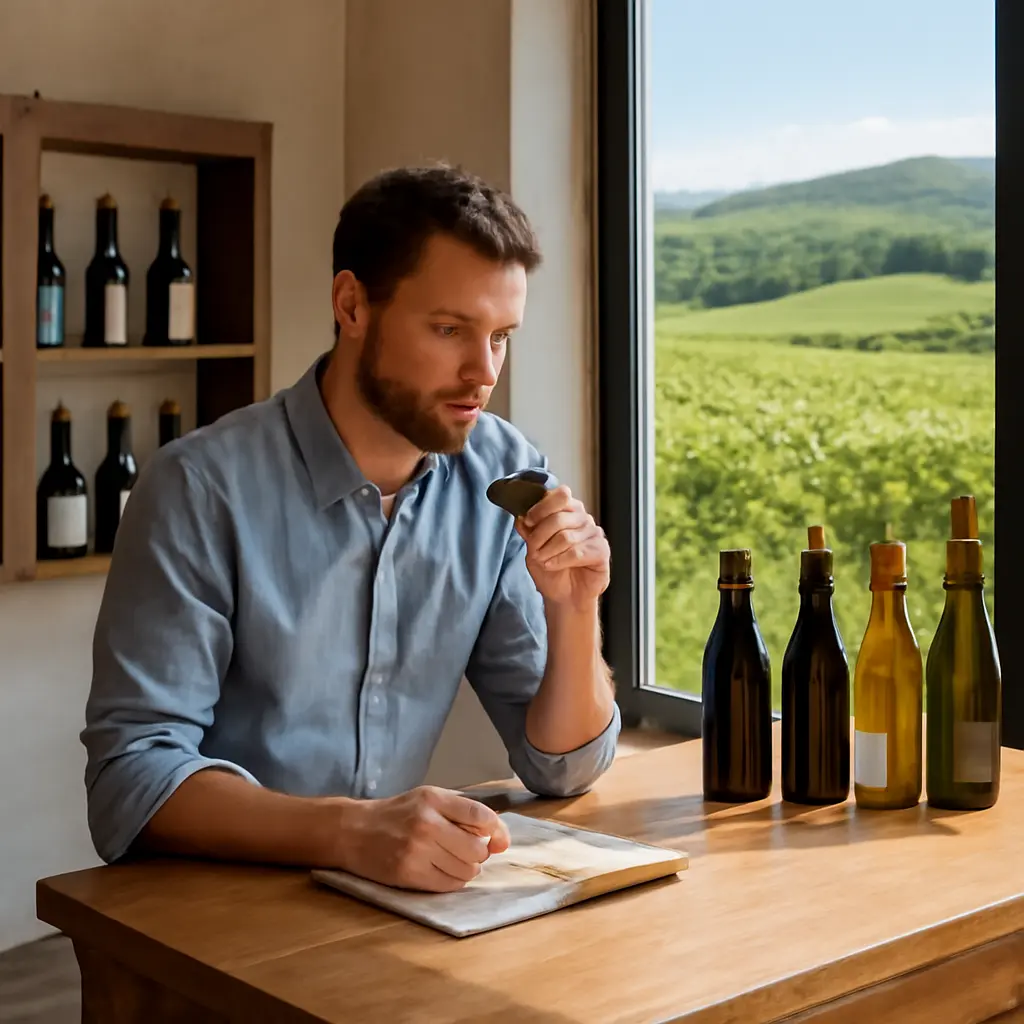
Skip the opening act and judge wine by its ending instead
Wine’s ending—the finish, or the sensations that linger after a sip—is the final part of tasting, not a shortcut that makes the rest irrelevant. A useful way to judge a…[...]
Read More
Wine’s ending—the finish, or the sensations that linger after a sip—is the final part of tasting, not a shortcut that makes the rest irrelevant. A useful way to judge a…[...]
Read More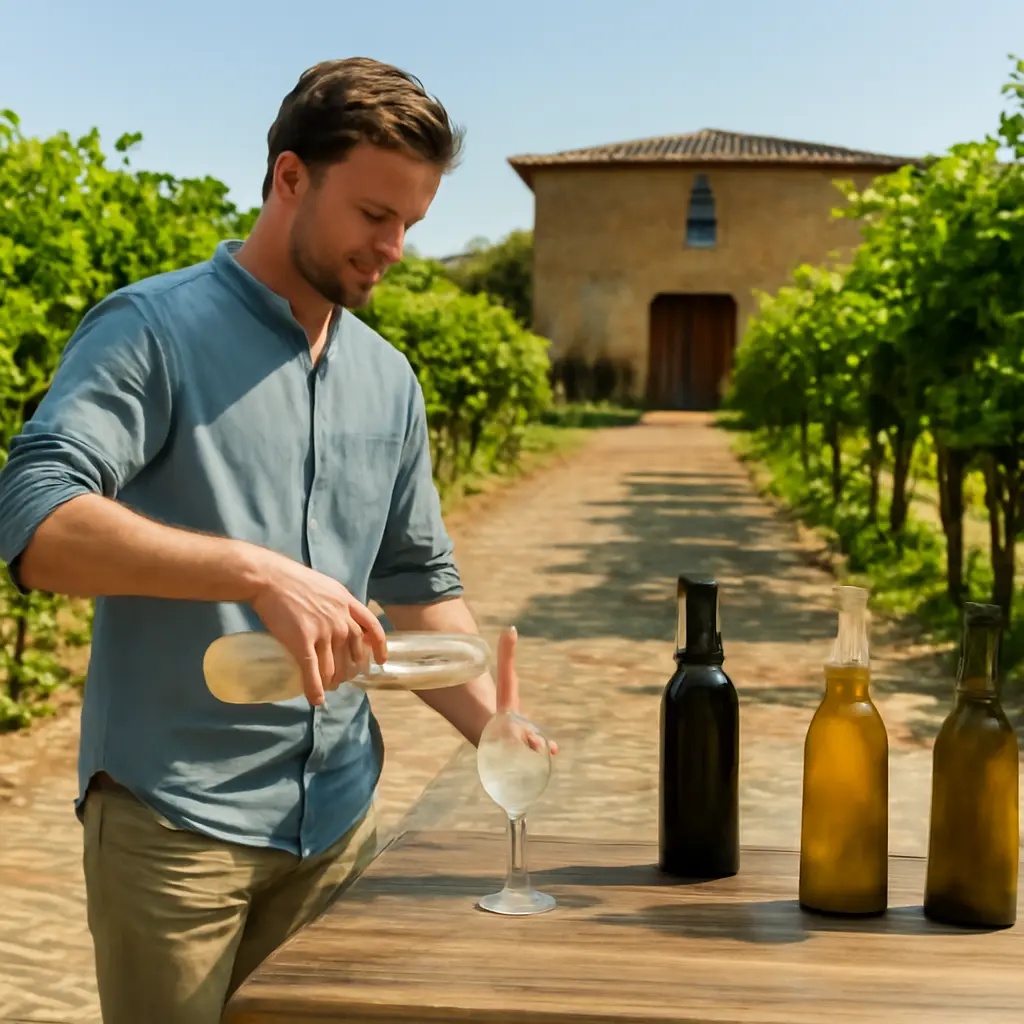
Cloudy natural wine is wine that looks hazy because fine grape solids, yeast, or other particles remain suspended in it rather than being fully removed by settling and filtration. That…[...]
Read More
Appellation–Place Identity: Simple Ways to Read a Label and Understand Its Promise An appellation is a legally or traditionally recognized geographic designation that connects a product—especially wine—to a defined place,…[...]
Read More
Tactile wines with dynamic mouthfeel are wines whose tannin, acidity, alcohol, phenolic texture, salinity, or carbonation can be felt as clearly as their aromas and flavors, yet remain energetic rather…[...]
Read More
Grape Tasting Notes: How Sensory Detail Reveals a Variety’s True Character Grape tasting notes are structured descriptions of a wine’s appearance, aromas, flavors, texture, acidity, tannin, alcohol, and finish that…[...]
Read More
Wine Balance and Precision: How True Terroir Emerges in Every Glass Terroir is the combined influence of climate, soil, topography, geology, vine material, and human practice on a wine’s identity.…[...]
Read More
A sommelier’s taste is the trained ability to evaluate, contextualize, and recommend wine according to quality, balance, provenance, food compatibility, and a guest’s preferences. In restaurants, that attribute can matter…[...]
Read More
Wine Storage Temperature: Simple Mistakes That Quietly Ruin Even Great Bottles Wine storage temperature is the environmental condition in which a bottle is kept before serving, including sustained heat, cold,…[...]
Read More
Wine Review Verification: Before publishing a wine review, editors confirm the bottle’s identity, vintage, origin, producer, alcohol statement, sample condition, tasting method, factual claims, conflicts of interest, and final score.…[...]
Read More