
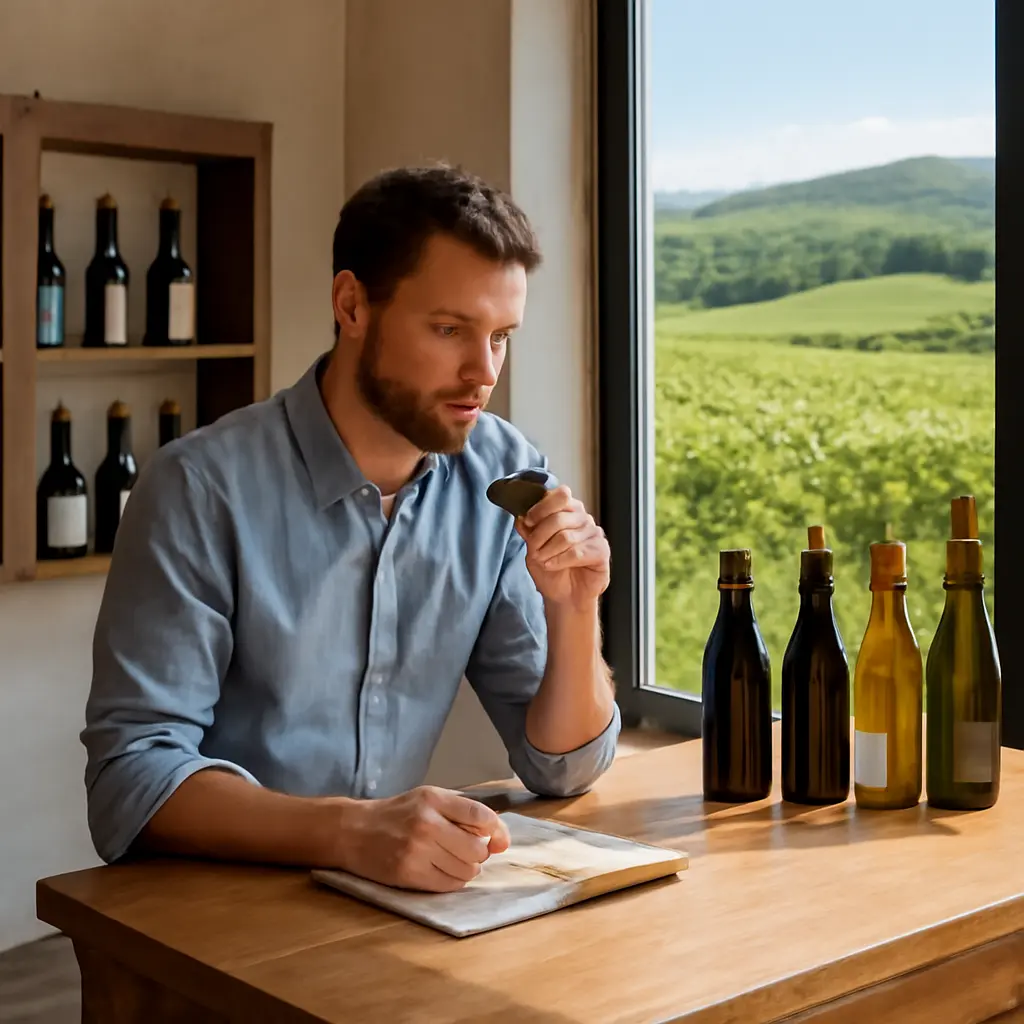
Wine’s ending—the finish, or the sensations that linger after a sip—is the final part of tasting, not a shortcut that makes the rest irrelevant. A useful way to judge a wine is to pay special attention to that finish: note how long it lasts, whether its flavors remain clear, and whether its acidity, tannin, alcohol, and sweetness feel balanced. The Wine & Spirit Education Trust (WSET) includes length and balance among the factors used to assess wine quality. There is no single universally accepted number of seconds that makes a wine excellent, so the best judgment combines the ending with the wine’s overall structure, style, and condition.
Wine’s Finish as a Measure of Quality
In wine tasting, the finish is the flavor and tactile impression that remains after the wine has been swallowed or spat out. It may carry fruit, spice, herbal, mineral, oak, or other impressions, while acidity, tannin, sweetness, and warmth shape how those impressions feel. WSET’s systematic approach to tasting assesses a wine through its appearance, nose, palate, and conclusions about quality and readiness; on the palate, it considers intensity, flavor characteristics, finish, and structural elements such as acidity and tannin.
A lingering finish can be a helpful quality clue, but length alone is not a verdict. A persistent bitterness, excessive heat, or harsh astringency can also linger. Judge whether the aftertaste is clean, coherent, and proportionate to the wine, then compare it with what the wine offered before the sip ended. This distinction matters for consumers choosing a bottle, learners practicing tasting, and professionals explaining why a wine feels complete or unbalanced.
Finish, length, and persistence
“Finish” describes the impression after a sip; “length” describes how long that impression continues; and “persistence” is often used for the duration or staying power of flavor. Tasters may informally count seconds, but no universal cutoff determines quality. A more useful question is whether recognizable flavors persist after the wine has left the mouth, and whether they remain pleasant and connected rather than fading into roughness or alcoholic heat.
Balance and overall quality
Balance means that a wine’s components work together rather than one feature dominating without purpose. Acidity can make a wine feel fresh; tannin can provide grip; sweetness can soften sharpness; and alcohol contributes body and warmth. A long finish is more persuasive as evidence of quality when these features feel integrated. The WSET framework also distinguishes quality judgments from personal preference: a wine can be well made yet not suit an individual taster’s taste.
How to Judge Wine by Its Ending
Because a finish can reveal both flavor persistence and structural imbalance, assessing it works best as a repeatable tasting practice. Taste the wine at a suitable temperature, take a modest sip, and notice its flavors before, during, and after swallowing or spitting. Then consider the following connected qualities rather than reducing the judgment to a stopwatch.
Flavor clarity and development
A clear finish leaves identifiable impressions—perhaps citrus, red fruit, dried herbs, toast, or spice—rather than a vague or muddled aftertaste. Some wines evolve as they fade, revealing a new note after the initial flavor. Record what remains and whether it develops coherently. Tasting vocabulary is descriptive, not proof that every drinker will perceive exactly the same aroma or flavor.
Acidity, tannin, and texture
Acidity is commonly sensed as freshness or mouthwatering sharpness, while tannin can create drying, gripping sensations, especially in red wines. These qualities may persist after the fruit fades. A structured finish can be a feature, particularly in wines intended to age, but a finish dominated by sourness or coarse dryness may indicate imbalance for the wine’s style. Assess the texture alongside flavor instead of treating duration as the only measure.
Sweetness, alcohol, and warmth
Residual sugar can leave sweetness on the finish, while alcohol can create warmth. Neither is automatically a flaw: both may be appropriate to a wine’s style. The practical test is proportion. If heat, sweetness, or bitterness overwhelms the other flavors, the ending may feel less harmonious even when it lasts a long time. For sparkling and sweet wines, also note whether freshness or acidity keeps the lingering sweetness from becoming cloying.
Finish Across Wine Styles and Serving Conditions
The meaning of a finish depends partly on the kind of wine being tasted. A light, crisp white should not be judged by the same expectations as a full-bodied red or a sweet fortified wine. Serving conditions matter, too: temperature, glassware, food, and the wine’s development after opening can change what the taster perceives. Style-aware comparisons make the finish more informative.
Red, white, sparkling, and sweet wines
Red wines often show tannin and darker fruit on the finish; whites may emphasize acidity, citrus, stone fruit, or savory notes; sparkling wines add the sensation of bubbles; and sweet wines may balance sugar with acidity. These are broad tendencies, not rules. Compare wines within similar styles when learning: the question is not whether one category always has a longer finish, but whether the ending suits that wine’s character and feels integrated.
Food, temperature, and bottle condition
Food can change the impression of acidity, sweetness, tannin, and bitterness, so taste the wine on its own before pairing it with a meal. Serving temperature can also affect perceived freshness, aroma, and alcohol warmth. If a wine seems muted or unusually hot, allow it to reach an appropriate serving temperature and retaste. A faulty or poorly stored bottle can produce an unpleasant lingering impression; when in doubt, compare another pour or bottle before drawing conclusions about the producer or style.
A Practical Finish-Tasting Method
A short, consistent routine helps make tasting notes more useful and reduces the temptation to equate “long” with “good.” The International Organisation of Vine and Wine (OIV) publishes standards and methods relevant to wine analysis, while WSET provides an educational framework for structured sensory tasting. For everyday tasting, use a simple sequence:
- Take a small sip and notice the wine’s main flavors and texture.
- After swallowing or spitting, observe what remains and roughly how long it is noticeable.
- Identify whether the lingering impression is fruity, savory, sweet, acidic, tannic, bitter, or warm.
- Ask whether the finish is clean and balanced, and whether it fits the wine’s style.
- Write one concise note, such as “medium persistence, citrus-led, fresh acidity” or “long, ripe fruit, warmth slightly dominant.”
A useful tasting chart can compare wines by style, finish duration, flavor clarity, and balance. Keep the same categories for each sample, and taste blind when practical to reduce the influence of price, label, or reputation. The result is not a laboratory measurement; it is a disciplined way to describe experience and compare bottles fairly.
Conclusion: Let the Finish Inform, Not Replace, the Judgment
A wine’s finish is the lingering impression after a sip, and its length, clarity, and balance can reveal meaningful aspects of the wine. The strongest assessment connects that ending to acidity, tannin, sweetness, alcohol, flavor development, style, and bottle condition. A long finish is not automatically a good one, and a brief finish is not automatically a fault. Taste attentively, compare like with like, and use consistent notes to refine your judgment. For further learning, consult the WSET systematic tasting framework and OIV’s wine standards.
Sources: Wine & Spirit Education Trust, “Systematic Approach to Tasting Wine,” https://www.wsetglobal.com/knowledge-centre/wset-systematic-approach-to-tasting/; International Organisation of Vine and Wine, “OIV Standards and Publications,” https://www.oiv.int/standards