
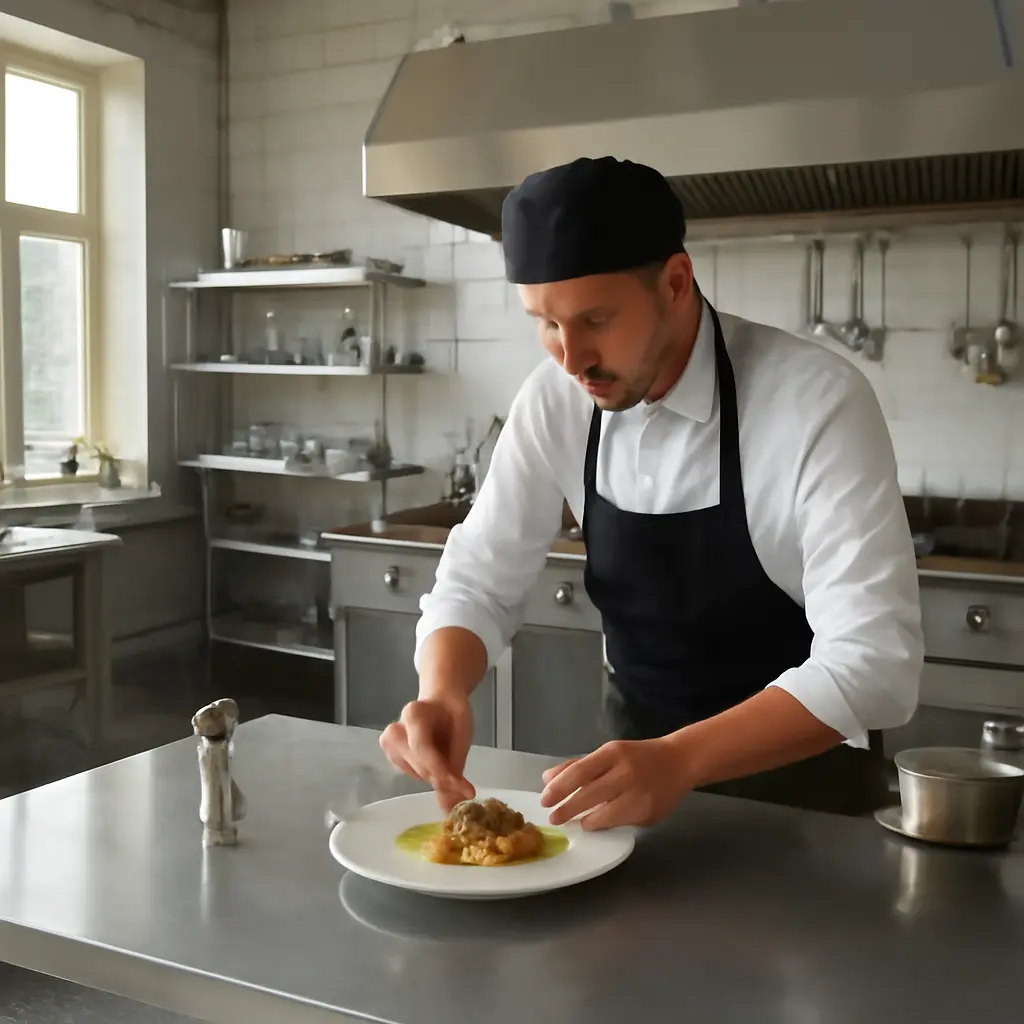
Fine dining costs more because restaurants combine premium ingredients with skilled, labor-intensive preparation and a carefully designed hospitality experience. The price reflects more than the food on the plate: it also helps cover wages, training, small-scale purchasing, longer service, and the costs of operating an ambitious restaurant. The National Restaurant Association reports that food and labor are among restaurants’ largest operating expenses, while Michelin’s restaurant guide evaluates not only ingredient quality and technique but also consistency and the overall expression of a restaurant’s cooking. Understanding these components helps explain why a tasting menu costs more than a casual meal—and what diners are actually paying for.
Fine dining costs more because ingredients, labor, and experience are bundled together
Fine dining is a restaurant experience in which cooking, service, and setting are deliberately coordinated to deliver distinctive food and hospitality. Michelin’s published criteria describe restaurant quality through factors including ingredient quality, mastery of technique, harmony of flavors, the chef’s personality expressed through the cuisine, and consistency. These criteria do not set menu prices; they do, however, help explain why many fine-dining restaurants invest in specialized sourcing, intensive preparation, and attentive service.
There is no single industry-wide “fine-dining surcharge.” A restaurant’s price depends on its location, menu, staffing model, purchasing costs, occupancy, and business strategy. The U.S. Bureau of Labor Statistics’ Consumer Expenditure Surveys track household spending on food away from home, but do not isolate fine dining as a universal price category. The National Restaurant Association’s operating-cost research likewise shows why revenue must cover more than ingredients: restaurants pay for labor, occupancy, supplies, utilities, and other expenses, with cost patterns differing by restaurant type.
What counts as fine dining?
Fine dining commonly includes restaurants offering carefully composed menus, elevated service, and a considered dining room or atmosphere. Within that broad category are tasting-menu restaurants, chef-led à la carte restaurants, destination restaurants, and establishments recognized by guides such as Michelin. These are related formats, not identical business models: a long tasting menu may require more advance preparation and coordinated courses, while an à la carte restaurant may have a broader inventory and more ordering flexibility.
Why the menu price is not the ingredient cost
A dish’s menu price has to contribute toward the restaurant’s total operating costs, not merely reimburse the raw food used in that dish. The price may support kitchen and dining-room wages, rent, equipment, utilities, preparation losses, and the service that accompanies the meal. The National Restaurant Association cautions that restaurant economics vary substantially across segments, so a single food-cost or labor-cost percentage cannot accurately describe every fine-dining business.
Premium ingredients increase fine-dining costs through sourcing and waste
Premium ingredients are products selected for qualities such as freshness, flavor, provenance, rarity, or suitability for a particular technique. Their cost can rise when a restaurant buys from small producers, requests specific varieties or cuts, depends on seasonal harvests, or needs frequent deliveries to maintain quality. Michelin’s criteria explicitly include ingredient quality, but quality does not automatically mean the most expensive or rarest ingredient; thoughtful selection and cooking matter too.
Seasonality, provenance, and small-scale purchasing
Seasonal and local sourcing can create a distinctive menu, but it also makes supply less predictable. A restaurant that changes dishes to follow a harvest may need to redesign recipes and manage fluctuating availability. Buying from smaller farms, fisheries, or specialty suppliers can involve more coordination and smaller order volumes than purchasing standardized products at scale. The U.S. Department of Agriculture’s seasonal produce guidance illustrates how availability varies by crop and region; that variability is one reason menus change throughout the year.
Rare products and specialized handling
Some restaurants feature products such as aged cheeses, specialty seafood, heritage-breed meats, or carefully matured produce. These items can cost more because of limited supply, extra handling, storage requirements, or the time needed to produce them. Perishable ingredients also carry financial risk: if demand, weather, or delivery conditions change, a restaurant may have to replace an item or absorb spoilage. Responsible sourcing involves balancing culinary ambition with traceability, seasonality, and safe handling—not simply buying the rarest product available.
Preparation yield and food waste
The purchase price of an ingredient is not always the amount that can be served. Trimming, peeling, removing bones, and cooking can reduce usable yield, while highly perishable products may spoil before service. The U.S. Environmental Protection Agency identifies food waste as a significant environmental and economic issue across the food system. Fine-dining kitchens may use stocks, sauces, and other preparations to make use of trimmings, but careful reuse does not eliminate the labor or risk involved in handling perishable ingredients.
Skilled labor raises fine-dining costs through preparation and service
Labor includes the paid work required to prepare food, serve guests, manage the restaurant, and keep the space clean and safe. Fine-dining operations may rely on specialized cooks, pastry chefs, sommeliers, servers, and managers, alongside dishwashers and other essential staff. The U.S. Bureau of Labor Statistics’ Occupational Outlook Handbook describes restaurant work as encompassing distinct occupations with different training, responsibilities, and wage levels. A polished meal is therefore the outcome of coordinated work, much of which happens before a guest arrives.
Mise en place and technique-intensive cooking
Mise en place means preparing and organizing ingredients and equipment before service so a kitchen can execute dishes accurately and on time. Fine-dining menus may involve multiple components, precise cooking, sauces, garnishes, and plating steps. A tasting menu can multiply this coordination because the kitchen must prepare several courses and deliver them in sequence. The U.S. Bureau of Labor Statistics notes that chefs and head cooks plan menus, oversee food preparation, and direct kitchen staff—responsibilities that extend beyond cooking an individual plate.
Training, coordination, and staffing
A restaurant’s labor costs reflect both the number of employees and the time and expertise needed to deliver its style of service. Training supports consistent cooking, food safety, knowledge of ingredients, and communication between the kitchen and dining room. The National Restaurant Association’s reports on restaurant operations track labor as a major expense category, but staffing needs differ according to service format, hours, local wages, and menu complexity. A restaurant that offers highly attentive service may need more guest-facing labor than a counter-service business.
Service is skilled work, not decoration
Dining-room service can include explaining dishes, accommodating dietary needs, pacing courses, recommending beverages, and coordinating with the kitchen. Wine service may require knowledge of vintages, regions, storage, and pairing, while managers must handle reservations, guest requests, and service recovery. These tasks are part of the product diners experience, even though they do not appear as ingredients on the plate. Service standards also require preparation and teamwork, particularly when many tables are served at once.
The fine-dining experience adds value beyond the food
The experience includes the setting, hospitality, pacing, presentation, and sense of occasion surrounding a meal. A restaurant may invest in comfortable seating, tableware, lighting, acoustics, cellar storage, or a distinctive interior. These choices can improve the visit, but they also create expenses such as rent, maintenance, replacement of equipment, and utilities. The experience is not necessarily luxurious in appearance: some acclaimed restaurants offer a restrained setting while focusing investment on cooking and service.
Tasting menus and carefully paced courses
A tasting menu is a sequence of smaller courses selected by the restaurant, usually designed to show a chef’s style or a season’s ingredients. Its price may reflect the combined ingredients, preparation, service time, and planning needed to deliver the sequence. The format also gives kitchens some predictability because they can estimate quantities from reservations, although dietary restrictions and last-minute changes still require flexibility. A tasting menu is not automatically better value than à la carte dining; value depends on the diner’s preferences and the execution.
Atmosphere, design, and operational overhead
Rent and occupancy costs vary widely depending on location, dining-room size, and the type of premises. A restaurant in a high-demand city center may face a different cost structure from a rural destination restaurant, while both may spend on kitchen equipment, refrigeration, tableware, linen, and upkeep. The National Restaurant Association’s restaurant operations research includes occupancy and other operating expenses among the costs businesses must manage. These expenses contribute to menu pricing even when diners do not see them directly.
Consistency and reputation
Consistency means delivering a reliable standard across dishes, services, and visits. Michelin identifies consistency as one of its restaurant assessment criteria, alongside ingredients, technique, flavor harmony, and the expression of the chef’s cuisine. Maintaining that standard requires quality control, recipe development, supplier relationships, and staff coordination. Recognition can bring attention, but it does not guarantee that a meal will suit every diner or that a high price is justified; personal taste and expectations remain important.
How diners can judge whether fine dining is worth the price
Whether fine dining is worth its cost depends on what a diner values: culinary creativity, attentive service, a special occasion, a particular ingredient, or simply a satisfying meal. Comparing prices fairly means considering the full offer rather than portion size alone. A smaller course may involve extensive preparation and service, while a larger casual meal may prioritize speed, volume, or convenience.
Compare the full cost before booking
Check whether the listed menu price includes service charges, taxes, beverages, or optional supplements. Ask about the number of courses, estimated meal duration, and policies for dietary needs or cancellations. Beverage pairings can add substantially to the bill, so diners who want to manage spending can ask about nonalcoholic pairings, à la carte options, or a single glass instead.
Look for value, not just luxury signals
Value is the relationship between price and the quality of the experience for an individual guest. Clear menus, thoughtful hospitality, well-executed dishes, and transparent pricing may matter more than rare ingredients or elaborate presentation. Reading recent reviews and menus can help set expectations, but diners should remember that ratings and awards reflect particular criteria and may not match personal preferences.
Conclusion: fine dining prices reflect a complete operating model
Fine dining costs more because premium sourcing, preparation, skilled labor, attentive service, and the restaurant environment all contribute to the final price. Ingredient quality and provenance matter, but so do yield and waste; cooking expertise matters, but so do training and coordination; atmosphere matters, but it brings occupancy and upkeep costs. Michelin’s assessment criteria help describe culinary quality, while the National Restaurant Association and U.S. Bureau of Labor Statistics provide context on restaurant expenses and work. Before booking, review the menu and total expected bill, then decide which parts of the experience matter most to you. For further context, consult restaurant-industry operating reports, labor statistics, and seasonal sourcing guidance.
Sources: Michelin Guide, The MICHELIN Guide’s Guide to the Stars, https://guide.michelin.com/us/en/article/michelin-guide-ceremony/what-is-a-michelin-star; National Restaurant Association, Restaurant Operations Data Abstract, https://restaurant.org/research-and-media/research/research-reports/restaurant-operations-data-abstract/; U.S. Bureau of Labor Statistics, Consumer Expenditures—2023, https://www.bls.gov/news.release/cesan.nr0.htm; U.S. Bureau of Labor Statistics, Chefs and Head Cooks, Occupational Outlook Handbook, https://www.bls.gov/ooh/food-preparation-and-serving/chefs-and-head-cooks.htm; U.S. Department of Agriculture, Seasonal Produce Guide, https://snaped.fns.usda.gov/resources/nutrition-education-materials/seasonal-produce-guide; U.S. Environmental Protection Agency, Food Waste, https://www.epa.gov/sustainable-management-food/food-waste.